US-Iran Conflict Reaches Dangerous New Heights
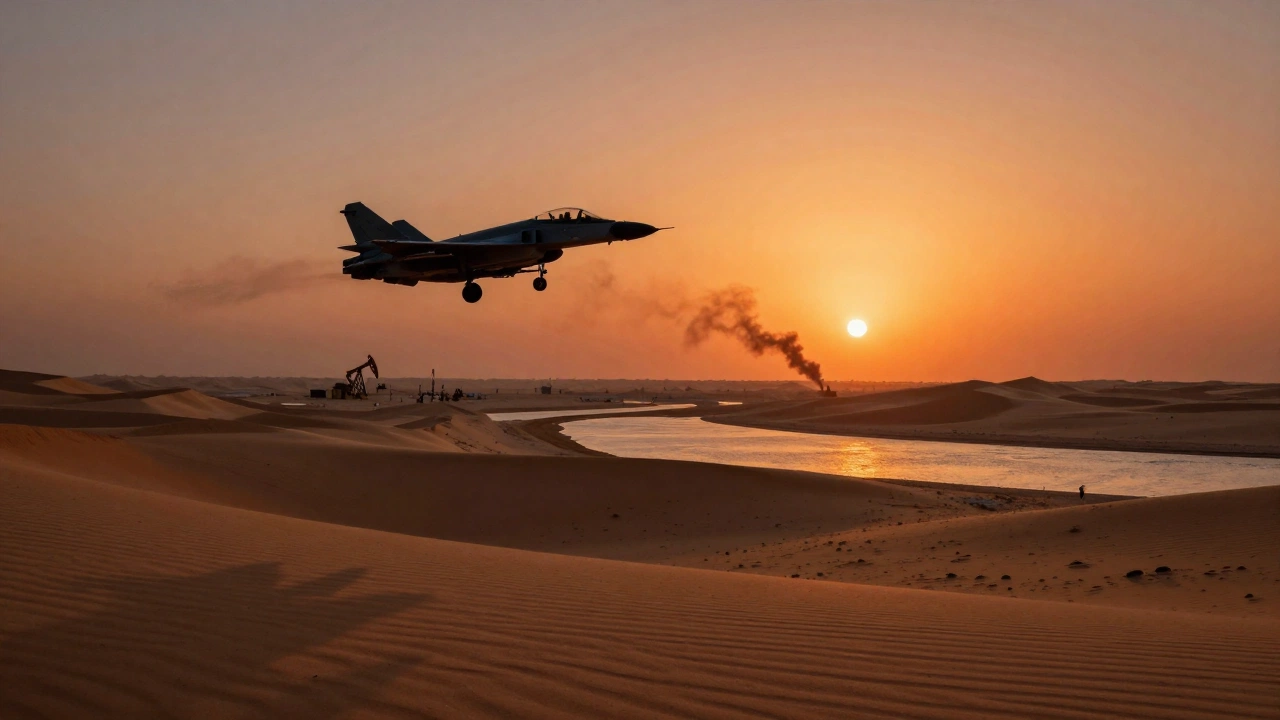
The biggest story making waves in today’s world news is the sharp escalation in the US-Israel-Iran conflict, now stretching into its fifth week. Iran has shot down at least one US F-15 fighter jet over southern Iran, with some accounts mentioning a possible second aircraft impacted in the Persian Gulf region. This marks the first successful downing of a manned American plane in the current hostilities, which Iran is presenting as proof of its air defense abilities. Rescue operations are actively underway, with one or two crew members already recovered while at least one airman remains missing. Both Iranian forces and US teams are involved in the search, deploying helicopters and an A-10 Thunderbolt, though some of these assets reportedly faced fire without sustaining crew losses. The incident has added fresh intensity to an already volatile situation that shows little sign of cooling off anytime soon. And as observers track these developments closely, concerns grow about where this path might lead next for all parties involved.
Iran Rejects Ceasefire Amid Retaliatory Actions
Tehran has firmly turned down a US proposal for a 48-hour ceasefire, choosing instead to highlight its recent military achievements. The United States has responded by pledging strikes against more Iranian infrastructure, with President Trump receiving direct briefings and warning that much more action is to follow. His messages on securing the Strait of Hormuz have been somewhat mixed, adding to the uncertainty. In retaliation, Iran targeted Gulf oil and gas facilities, where one intercepted strike still caused notable damage and claimed at least one life at the UAE’s Habshan gas facility. Separately, Israel carried out operations in Lebanon that included destroying southern bridges and hitting militant sites in Beirut. These moves have compounded the regional strain, drawing in multiple nations and raising questions about how far the ripple effects might spread. But the human element remains central, as families await word on those still unaccounted for in the aerial incident.
Oil Crisis Triggered by Strait of Hormuz Tensions
Disruptions around the Strait of Hormuz have sparked a serious oil crisis with prices climbing rapidly and causing global market ripples. While a few ships from Japan, France, and Oman have managed to pass as friendly vessels, US assessments indicate Iran is not likely to relax its position there in the near term. The consequences are already visible, including hundreds of dry petrol stations across Australia and broader economic pressure reaching from farms in New Zealand to factories in Delhi. This volatility affects supply chains everywhere, prompting discussions among countries like France and South Korea about potential cooperation to stabilize the vital route. The situation underscores just how connected energy security is to international stability, with many businesses and households feeling the pinch from these faraway events. So far, the Trump administration continues to balance threats with strategic considerations in its approach to the waterway.
Ukraine Faces Renewed Russian Attacks
Turning to Eastern Europe, Russia unleashed hundreds of drones and missiles against Ukraine in what President Volodymyr Zelensky labeled an Easter escalation rather than any move toward peace. The assault killed six civilians and injured 40 others, adding to the ongoing toll in that long-running conflict. Ukrainian troops continue slowing Russian progress in key areas, successfully liberating some territory and stretching enemy resources thin. Yet funding for Ukraine’s defense efforts remains uncertain, creating additional challenges for its leadership. This development arrives at a sensitive time when many had hoped for de-escalation, instead highlighting how fragile ceasefires can be when trust is lacking between the sides. The human cost continues to mount even as international attention shifts toward other crises, reminding us that multiple conflicts demand focus simultaneously.
Disasters and Developments Across Africa and Asia
A magnitude 5.9 earthquake struck Afghanistan’s Hindu Kush region, resulting in eight deaths including a child injured in a Kabul house collapse. In the Democratic Republic of Congo, at least 43 people were killed during an Allied Democratic Forces attack in the northeast, part of a pattern of intensifying violence there. Burkina Faso’s military leader, in power since the 2022 coup, publicly stated that democracy is not suitable for their context, drawing varied reactions. Cuba has begun releasing 2,010 prisoners amid US pressure involving an oil embargo and comments about desiring leadership change, with rights organizations and American officials watching the process carefully. These stories illustrate how natural disasters and political pressures often intersect with security concerns across different continents.
Religious Observances and Broader Global Notes
Pope Leo conducted Good Friday services at Rome’s Colosseum, delivering prayers for war orphans and deported immigrant children while cautioning leaders that their choices would face divine judgment. In other developments, France’s courts overturned a police ban on a multi-day Muslim gathering in Paris that had been flagged for potential risks. The United Kingdom charged three men with arson following an attack on Jewish community ambulances, and Italy’s Uffizi Gallery confirmed a cyber-attack on its systems though all artworks remained secure. Despite the Middle East conflict, the US economy added 178,000 jobs in March, offering a somewhat positive note amid wider concerns. These varied events show how faith, justice, and daily governance continue progressing even when larger conflicts capture most of the spotlight. The coming days will test diplomatic skills across many capitals as everyone seeks paths toward stability.