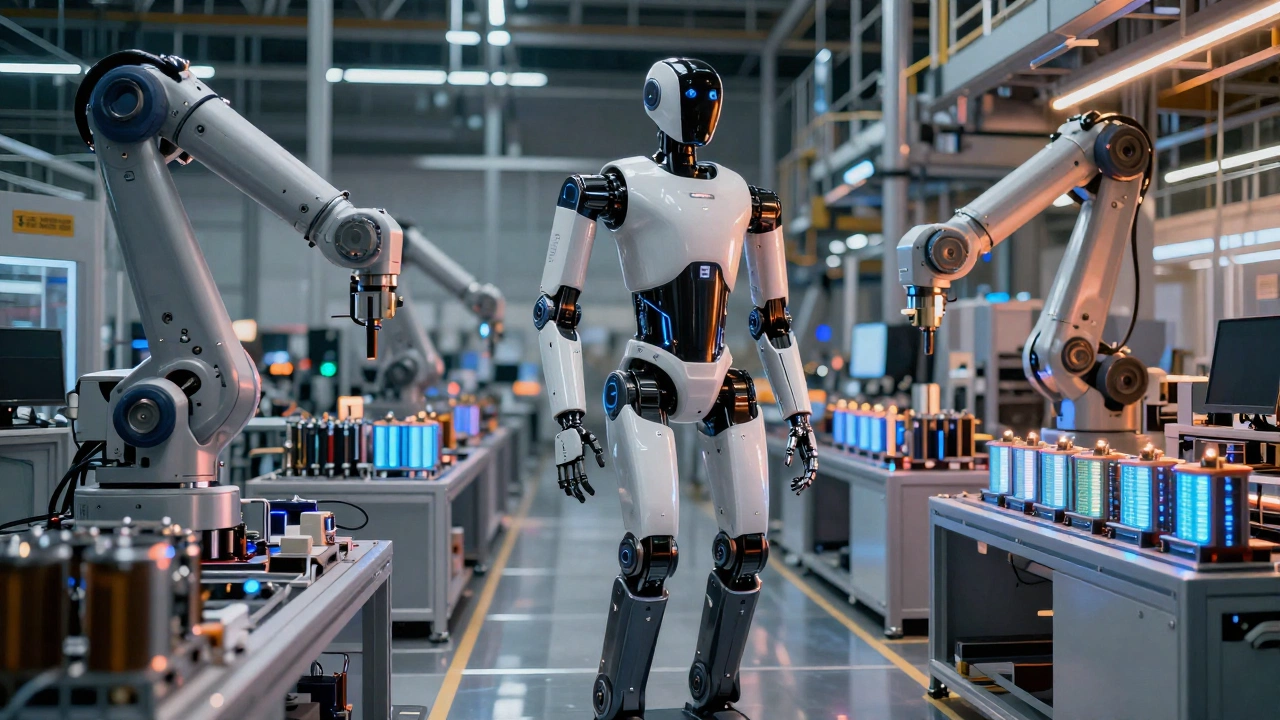
What Is the Tesla Optimus and Why It Matters to You
You have likely heard the buzz around Tesla Optimus. This humanoid robot aims to handle physical tasks that people do every day. Elon Musk sees it creating a world of sustainable abundance where machines take over repetitive work. You might picture a future where your daily grind becomes optional.
The project draws from Tesla’s self-driving car technology. Neural networks that power Full Self-Driving now help Optimus learn actions from video demos. This approach lets the robot improve through practice in simulations and real settings. You can see how this vertical integration gives Tesla an edge in both software and hardware.
Elon Musk’s Vision of Abundance
Musk describes Optimus as a general-purpose machine that could make physical labor a choice. Instead of doing boring or dangerous jobs you would rather avoid, robots step in. This shift might lead to universal high income as productivity soars. You would gain time for creative pursuits while machines manage the rest.
Early plans focused on factory use to solve labor shortages. From there the robot could move into homes for elder care or simple chores. You might one day ask your own Optimus to fold laundry or prepare meals. The vision feels ambitious yet grounded in Tesla’s manufacturing scale.
From Announcement to Reality
The project launched in August 2021 during Tesla AI Day. A person in a suit first demonstrated the concept before real prototypes appeared. By 2022 you saw the first functional Gen 1 unit walk untethered and carry boxes. These early steps built excitement even if some observers remained skeptical.
Progress accelerated quickly after that. You now witness a machine that balances, manipulates objects, and learns new skills on its own. The pace shows Tesla’s ability to iterate fast using its existing AI foundations. This history helps you understand why many watch Optimus closely today.
Why Tesla Is Uniquely Positioned
Tesla brings expertise in actuators, computer vision, and large-scale production. You benefit from their experience making millions of cars with advanced electronics. The same factories that build vehicles can eventually produce robots in high volume. This manufacturing know-how separates Optimus from many competitors.
Patents for robot charging stations and new dedicated space at Giga Texas highlight serious commitment. You see a company treating this as potentially its most important product. The data gathered from real factory deployments will speed up improvements faster than lab testing alone could achieve.
Tracking the Rapid Progress of Optimus Generations
Each version of Optimus shows clear improvements in speed, balance, and dexterity. You can track how the robot evolved from basic walking to complex manipulation. These upgrades prepare it for useful work inside Tesla facilities first. The steady gains help build confidence in the overall roadmap.
The Early Days with Gen 1 and Gen 2
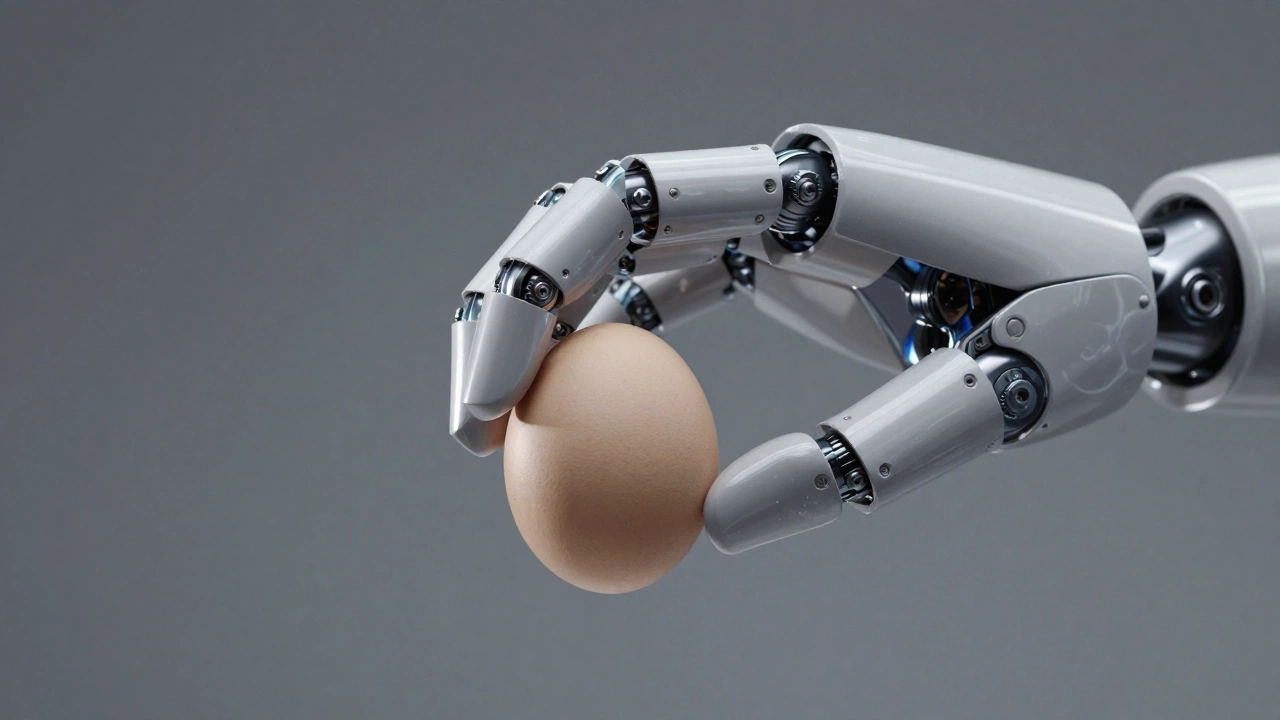
Gen 1 appeared in 2022 and performed simple actions like watering plants. Then in December 2023 Tesla revealed Gen 2. This model walked 30 percent faster and weighed 10 kilograms less than its predecessor. Its hands featured 11 degrees of freedom plus tactile sensing. The famous egg demo proved it could handle delicate items without breaking them.
These advances let you see real potential beyond stunt videos. Improved balance allowed navigation on uneven surfaces. You watched it squat, recover from slips, and sort objects by color. Such capabilities moved Optimus closer to practical applications in busy factory environments.
Gen 3 Breakthroughs You Need to See
During the first quarter of 2026 Tesla unveiled the production-intent Gen 3 prototype. This version brings human-level dexterity and operates with less supervision. Musk called it by far the most advanced robot in the world at the Abundance Summit in March 2026. Production is scheduled to begin in summer 2026 with a slow initial ramp.
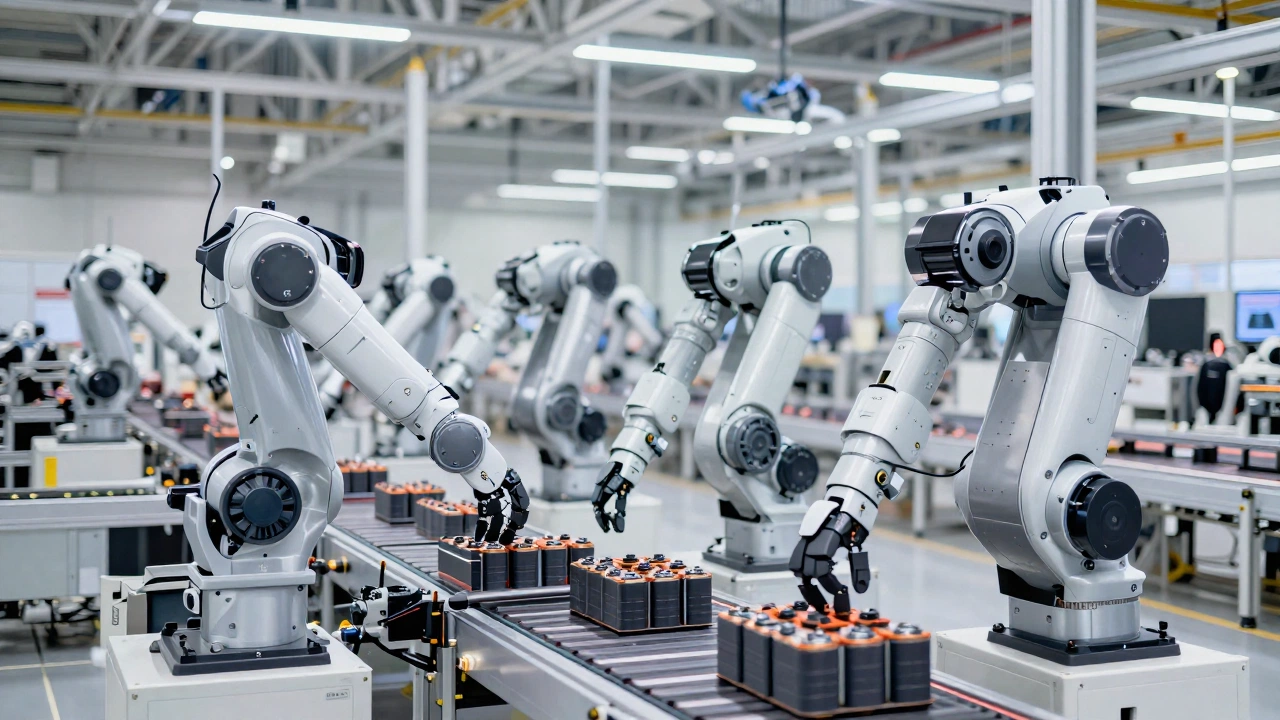
Gen 3 focuses on mass producibility and sport-level engineering. You notice better water resistance and upgraded AI chips. Annual updates are planned with Optimus 4 designs targeted for 2027. These regular leaps keep the platform fresh as new challenges arise in real deployments.
Detailed Specs That Impress
Optimus Gen 3 stands 173 centimeters tall and weighs between 56 and 57 kilograms. It can walk up to 8 kilometers per hour and carry more than 20 kilograms. The hands now boast 22 or more degrees of freedom with up to 25 micro-actuators each. Cable-driven systems deliver 28 to 40 percent more torque for precise movements.
A 2.3 to 3.2 kilowatt-hour battery offers several hours of runtime and supports hot-swapping like Tesla vehicles. Dual AI5 chips paired with over 10 cameras enable low-latency decisions using the same perception stack as Full Self-Driving. These numbers help you grasp why engineers believe high-volume production remains realistic.
| Feature | Specification |
|---|---|
| Height | 173 cm |
| Weight | 56-57 kg |
| Walking Speed | 8 km/h |
| Hand DoF | 22+ |
| Battery | 2.3-3.2 kWh |
How Optimus Performs in Real Factory Settings
You no longer watch only staged demos. Over 1,000 Gen 3 units now operate inside Tesla’s Fremont and Giga Texas factories. They sort battery cells, handle parts, and perform quality inspections. These real-world hours generate valuable training data that improves the entire fleet.
The Scale of Current Deployments
Early 2026 saw factory lines repurposed to support robot production. Initial deployments remained limited but grew steadily throughout the year. You see Tesla using its own robots to build more robots, creating a virtuous cycle. This internal testing reveals weaknesses before external customers receive units.
Annual targets for 2026 range from 50,000 to 100,000 units. Longer-term ambitions reach one million per year at Fremont alone. Dedicated facilities at Giga Texas could push that number much higher. Such scale explains why many analysts view Optimus as a potential economic game changer.
Tasks It’s Already Handling
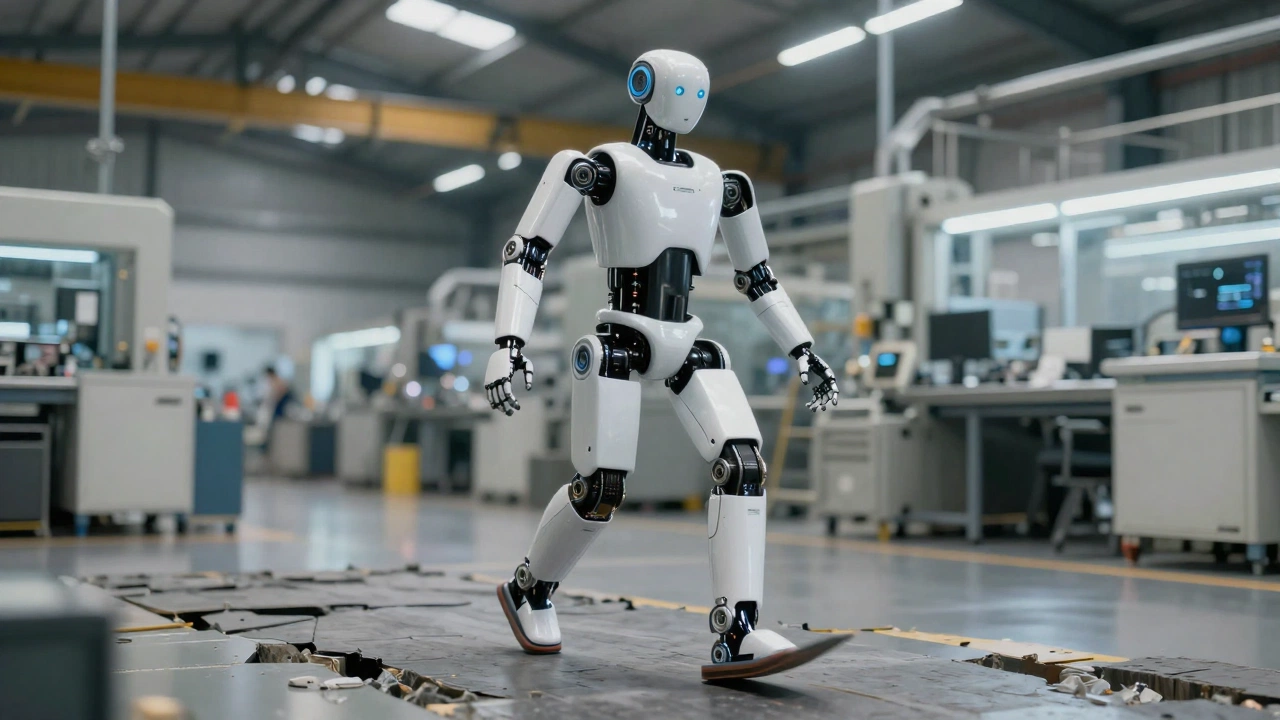
Current robots tighten bolts, move components, and recover from small mistakes autonomously. You see them traverse uneven ground and self-correct during dynamic motions. Later versions may serve food at the Tesla Diner or act as waiters in controlled settings. These examples show gradual expansion from simple sorting to more varied duties.
Imitation learning from human videos accelerates skill acquisition. The robot watches demonstrations then practices in simulation before trying the physical world. This method helps it master intricate sequences that once required extensive programming. You benefit from faster rollout of new capabilities.
AI That Learns Like You Do
End-to-end neural networks convert camera input directly into actions much like the Full Self-Driving system. Integration with models such as Grok could add conversational abilities in future releases. You watch the robot refine its behavior through trial and error without constant human guidance.
Simulation-to-real transfer bridges the gap between virtual practice and factory floors. This hybrid training produces more adaptable machines. As hours accumulate the fleet grows collectively smarter. Such learning loops represent a key advantage over traditional robotics approaches.
The Numbers Behind Replacing Human Labor
Cost and productivity figures make a compelling case for widespread adoption. You might calculate how quickly a single unit pays for itself when compared with human wages. Tesla targets a selling price between 20,000 and 30,000 dollars. At that level effective labor cost drops to around two dollars per hour.
Cost Comparisons That Change the Game
Fully loaded human labor in some U.S. contexts reaches 46 dollars per hour. Optimus could therefore deliver work at 20 to 30 times lower cost while running nearly 24 hours daily. You see why Musk calls it an infinite money glitch for businesses facing labor shortages. The economics improve further as production volumes rise and component prices fall.
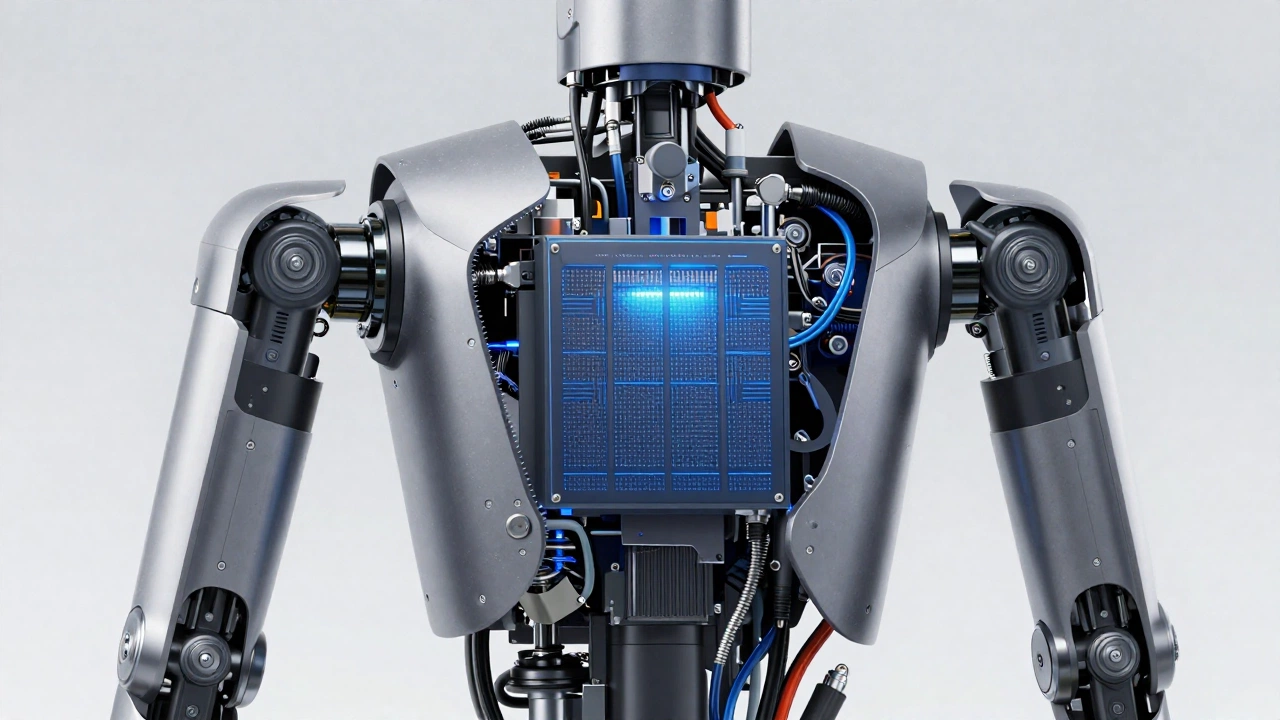
High deadlift capability and payload capacity expand the range of suitable tasks. Energy-efficient joints keep operating expenses manageable. These factors combine to create a strong financial incentive for factories, warehouses, and eventually homes to adopt the technology.
Productivity Gains Musk Predicts
Musk claims each robot could prove five times more productive than a human worker. You imagine one Optimus completing shifts without breaks or fatigue. Consistent performance and rapid learning create compounding advantages over time. This boost could help address aging populations and shrinking workforces in many countries.
Internal use at Tesla first cuts costs and improves safety. Data from these deployments then refines the product for sale to other companies. You see a clear path from factory floors to broader service roles such as elder care or household assistance. The progression feels methodical rather than sudden.
Industries Likely to Transform First
Manufacturing and logistics stand out as immediate opportunities. You picture robots handling dangerous material sorting or repetitive assembly that leads to worker injuries. Warehouses could deploy fleets for picking and packing with minimal supervision. Over time homes might welcome units for mundane chores that consume your weekends.
Service sectors including hospitality could benefit from consistent task execution. Musk has mentioned potential waiter roles at company facilities. These early niches help prove reliability before broader consumer adoption. You gain insight into which parts of daily life may change soonest.
Realistic Challenges Facing Widespread Adoption
Despite impressive demos, experts urge caution about timelines. You should weigh the progress against remaining technical gaps. General-purpose humanoids face unique difficulties in dexterity, safety, and cost-effective scaling. Several years may pass before you see one in every home or business.
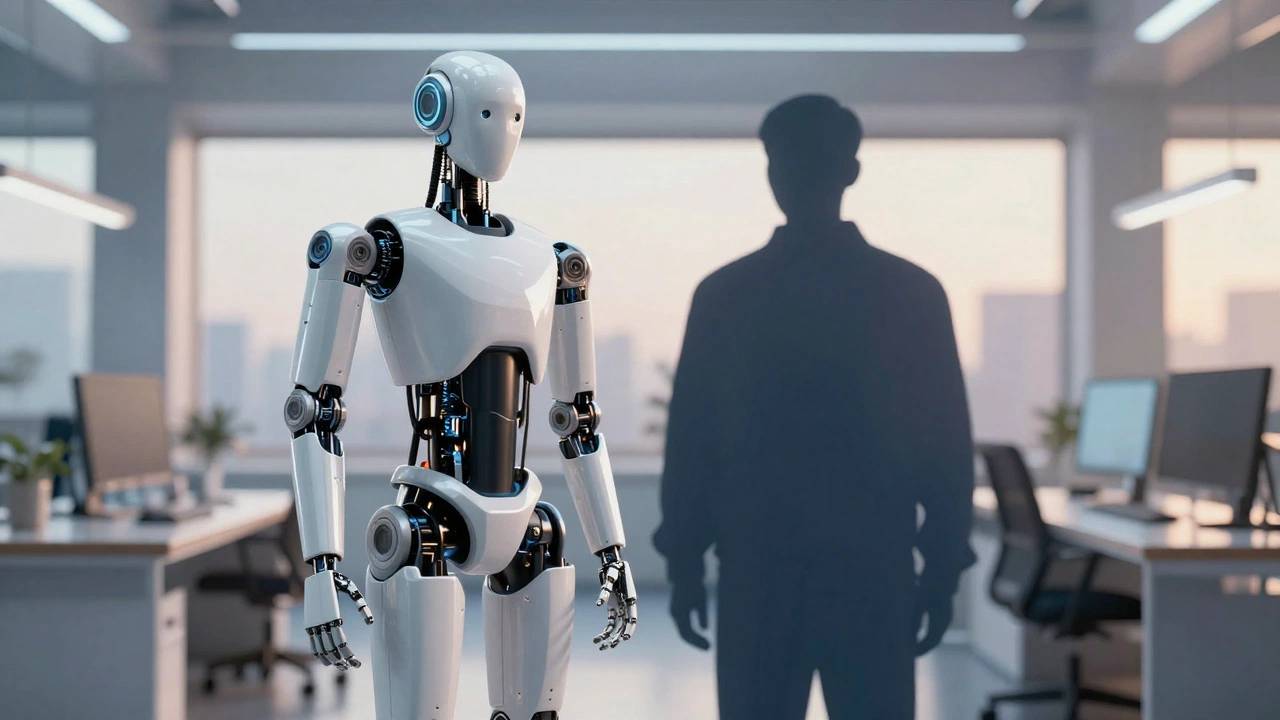
What Experts Point Out
Robotics researchers note that task-specific automation has often delivered better results than versatile humanoids. You hear concerns about robust generalization to entirely new situations. While Gen 3 hands show promise, perfecting behavior for unpredictable environments remains difficult. Many professionals expect gradual integration rather than sudden replacement of entire workforces.
Tesla’s vertical integration and real-world data provide advantages. Still, the brain must handle countless edge cases reliably. You see why some analysts predict meaningful external sales might arrive closer to the end of 2027. Patience and continued iteration will prove essential.
Technical Bottlenecks Remaining
Reliability across varied tasks represents a core hurdle. You notice that early 2026 reports indicated units had not yet achieved fully productive autonomous work at scale. Refining tactile feedback and balance on diverse surfaces requires extensive testing. These challenges explain the cautious deployment pace inside Tesla facilities.
Power management during long shifts and seamless hot-swapping need further optimization. The robot must recover gracefully from unexpected disturbances without human intervention. Each of these areas receives focused engineering attention as production ramps up. You can expect steady but incremental gains rather than overnight perfection.
Supply Chain and Reliability Issues
Each Optimus contains roughly 10,000 parts with potential heavy reliance on components from overseas. You recognize the geopolitical risks that could affect consistent supply. Scaling to millions of units annually demands flawless coordination across global partners. Tesla works to localize more production but this transition takes time.
Safety around humans in shared spaces adds another layer of complexity. You want robots that stop immediately if they detect possible contact. Meeting strict standards for public sale requires exhaustive validation. These considerations temper the most optimistic predictions you might read online.
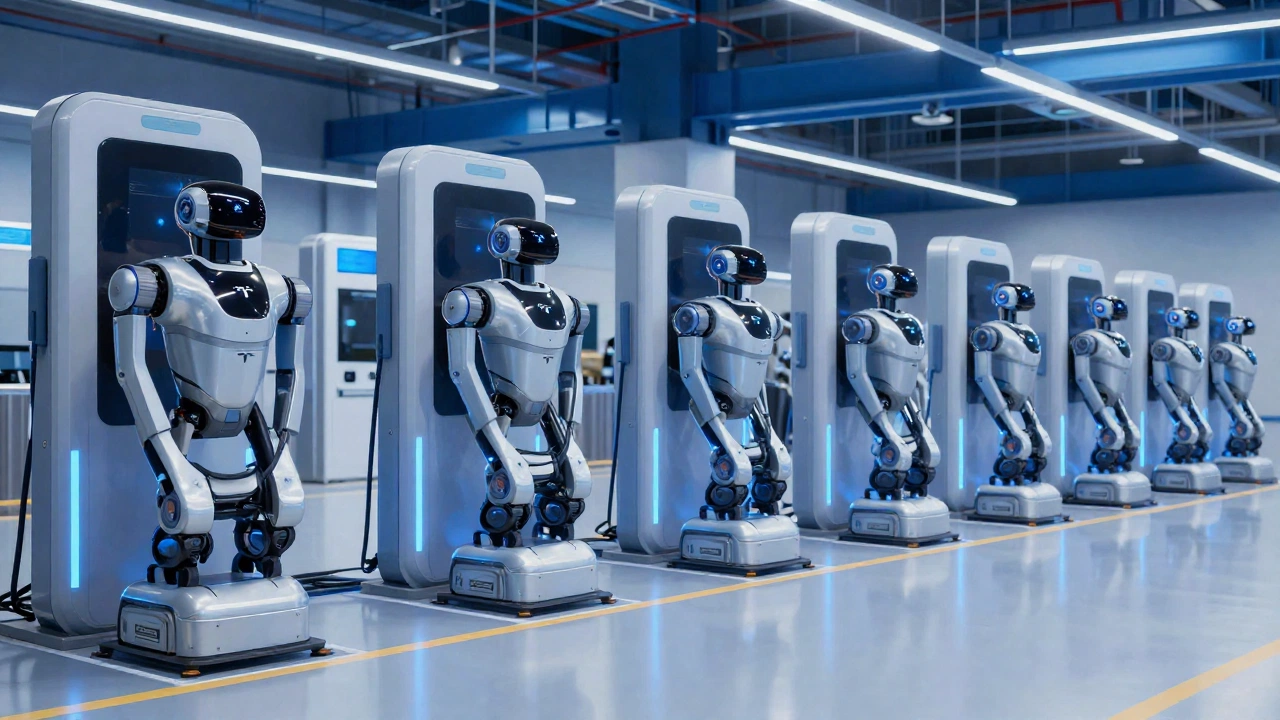
Your Future with Robots Like Optimus
Looking ahead you face both opportunities and adjustments. Optimus could free you from tedious physical work while creating new roles in robot maintenance and programming. The coming years will reveal how quickly these changes unfold. Staying informed helps you prepare for the shifts ahead.
Expected Timeline for Availability
Low-volume production begins summer 2026 with external sales targeted for 2027. You might first encounter Optimus units in other factories before consumer models appear. High-volume manufacturing at dedicated Giga Texas lines could accelerate after initial ramp-up. Annual version updates will keep improving performance each year.
Real productivity metrics from current factory fleets will guide the schedule. Musk expects an S-curve adoption pattern that starts slow then accelerates rapidly. You should watch for official updates around planned events or earnings calls. These milestones will clarify when units might reach your own workplace or home.
Will It Replace or Augment Jobs
Rather than total displacement Musk argues robots expand human potential. You could focus on higher-value creative work while machines manage routine duties. Certain roles involving physical labor face higher risk of change. Other positions in oversight, customization, and ethical guidance may grow in demand.
Society will need thoughtful policies to manage transitions smoothly. Retraining programs could help workers adapt to new realities. You might see abundance that raises living standards across income levels if the technology delivers on its promises. The outcome depends on how companies and governments respond.
Preparing for the Age of Abundance
Consider how your own skills might complement robotic coworkers. You could develop expertise in training AI systems or designing tasks that robots perform. Lifelong learning becomes even more valuable in this environment. Communities might explore new ways to share the gains from increased productivity.
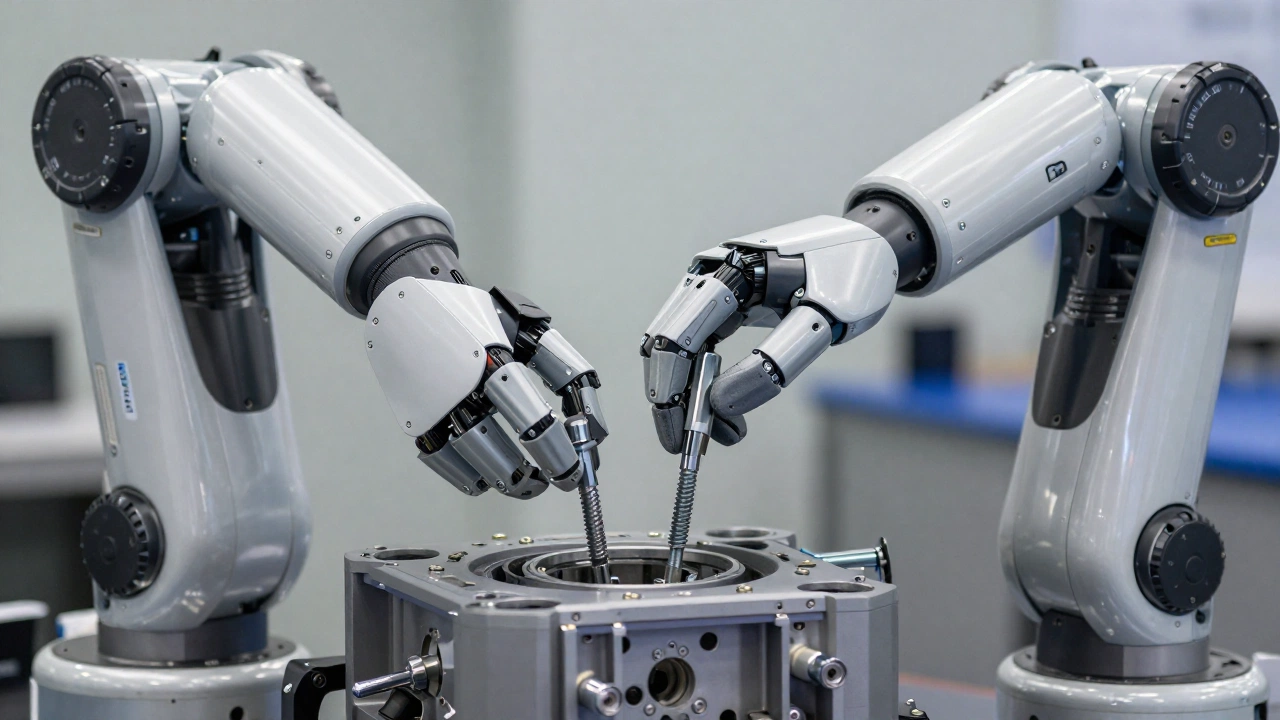
Optimus represents one piece of a larger trend toward physical AI. Competitors like Figure and Boston Dynamics pursue similar goals. Tesla’s data advantage and manufacturing scale position it strongly but execution will determine the winner. You stand at the beginning of a transformation that could reshape daily life in profound ways.