You have likely watched SpaceX push Starship through tough tests. Starship Flight 10 on August 26 2025 changed the story. This 67-minute flight met every major goal and delivered fresh data on heat shields engines and structure. You will see clear successes alongside a few issues that still advanced the program.
Previous upper stage losses had slowed progress. Yet this mission showed steady gains. You can feel the shift toward reliable flights that support Starlink deployment and future crewed trips. Let’s walk through what happened step by step.
The Challenges Leading Up to Starship Flight 10
Upper Stage Failures in Flights 7 8 and 9
Flights 7 through 9 each ended with upper stage problems. Propellant leaks and fires from harmonic oscillations ended Flight 7. A central Raptor engine failure caused propellant mixing and breakup on Flight 8. Flight 9 lost attitude control after a fuel tank diffuser fault led to methane buildup and breakup during reentry. These events forced engineers to redesign components and improve testing.
The Mid-June Explosion That Delayed Progress
Ship 36 exploded during propellant loading for a static fire test. The root cause traced to a composite overwrapped pressure vessel that burst below its rated pressure. This accident in mid-June 2025 destroyed the vehicle and pushed the schedule back several weeks. Teams worked quickly to prepare the next ship while reviewing all ground systems.
FAA Review and Final Clearance
The FAA finished its review of Flight 9 and accepted SpaceX findings. No injuries or public property damage occurred. Clearance arrived by mid-August allowing the team to roll Booster 16 and Ship 37 to the pad. You can see how each regulatory step ensures safety while letting rapid development continue.

Launch Day Events and Vehicle Details
Booster 16 and Ship 37 Specifications
Super Heavy Booster 16 used Block 2 hardware with 33 Raptor engines. Starship Ship 37 carried six Raptors and a payload bay door for the first time. Engineers loaded eight Starlink mass simulators totaling 16000 kg. No booster catch was planned. Instead the focus stayed on expanding limits payload release in-space relight and controlled splashdowns.
Two Scrubbed Attempts Before Success
The August 24 attempt stopped 30 to 45 minutes before liftoff after a liquid oxygen leak appeared in ground equipment. Weather with anvil clouds forced another scrub on August 25. These delays tested the team’s patience but also proved the wet dress rehearsal worked well. You see how patience and quick checks prevent bigger problems.
Liftoff at 2330 UTC on August 26
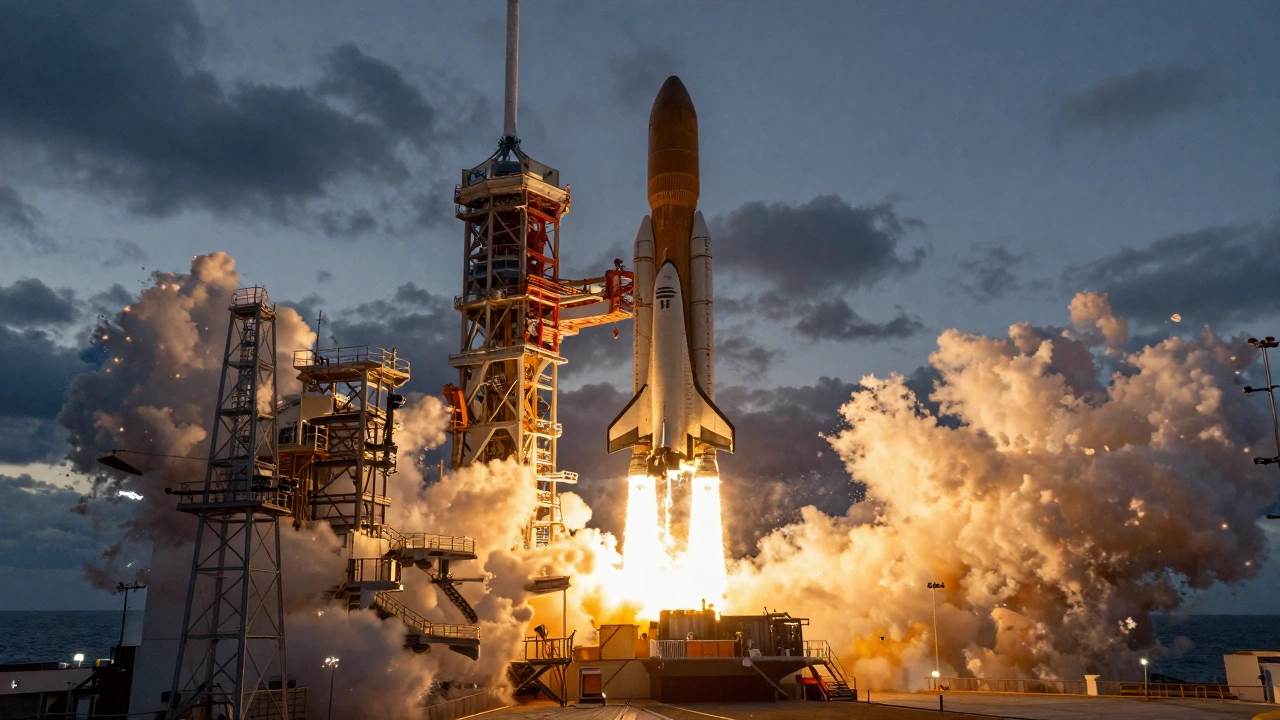
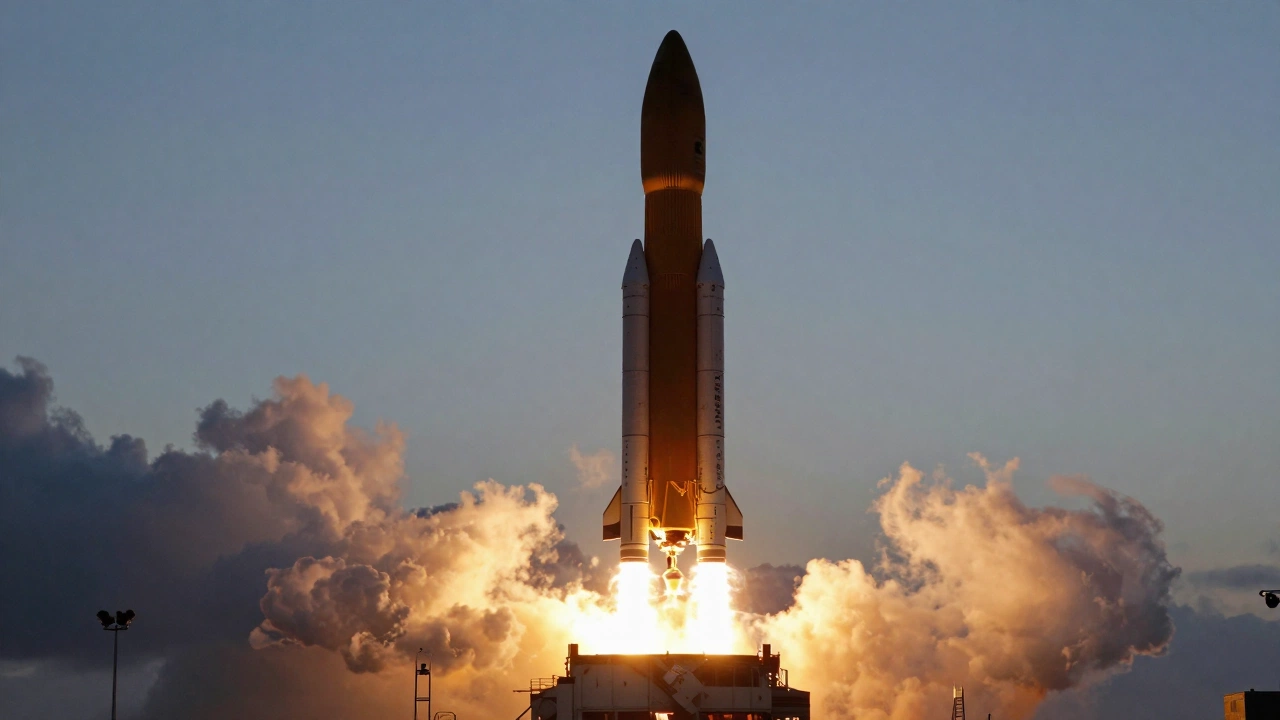
The rocket left Orbital Launch Pad 1 at 2330 UTC. All 33 booster engines ignited cleanly. Ascent passed Max Q near the one-minute mark without issue. This smooth start set the tone for the entire mission and gave engineers confidence in the Block 2 design changes.

Super Heavy Booster Performance in Detail
Hot Staging Separation and Boostback Burn
At roughly two minutes 37 seconds most booster engines cut off. Starship six Raptors lit while still attached for a clean hot-staging separation. The booster flipped performed its boostback burn and headed back toward the Gulf of Mexico. One engine shut down early yet the remaining engines adapted perfectly.
Demonstrating Engine Redundancy
During the landing burn engineers intentionally disabled one of three center engines. A middle-ring backup engine took over and kept the trajectory stable. The booster hovered briefly before a soft splashdown about seven minutes after liftoff. It used a shallower angle of attack than earlier flights showing improved control.
Planned Explosion After Water Impact
The booster tipped and exploded on water contact as expected for an expendable test article. This outcome let teams avoid expensive recovery while still collecting flight data. You see how each test builds knowledge even when the hardware is not recovered.
| Event | Approximate Time | Result |
|---|---|---|
| Liftoff | T+00:02 | All 33 engines lit successfully |
| Hot Staging | T+02:37 | Clean stage separation |
| Booster Splashdown | T+06:40 | Soft landing then planned explosion |
Starship Upper Stage Journey and Reentry
Payload Deployment Milestone
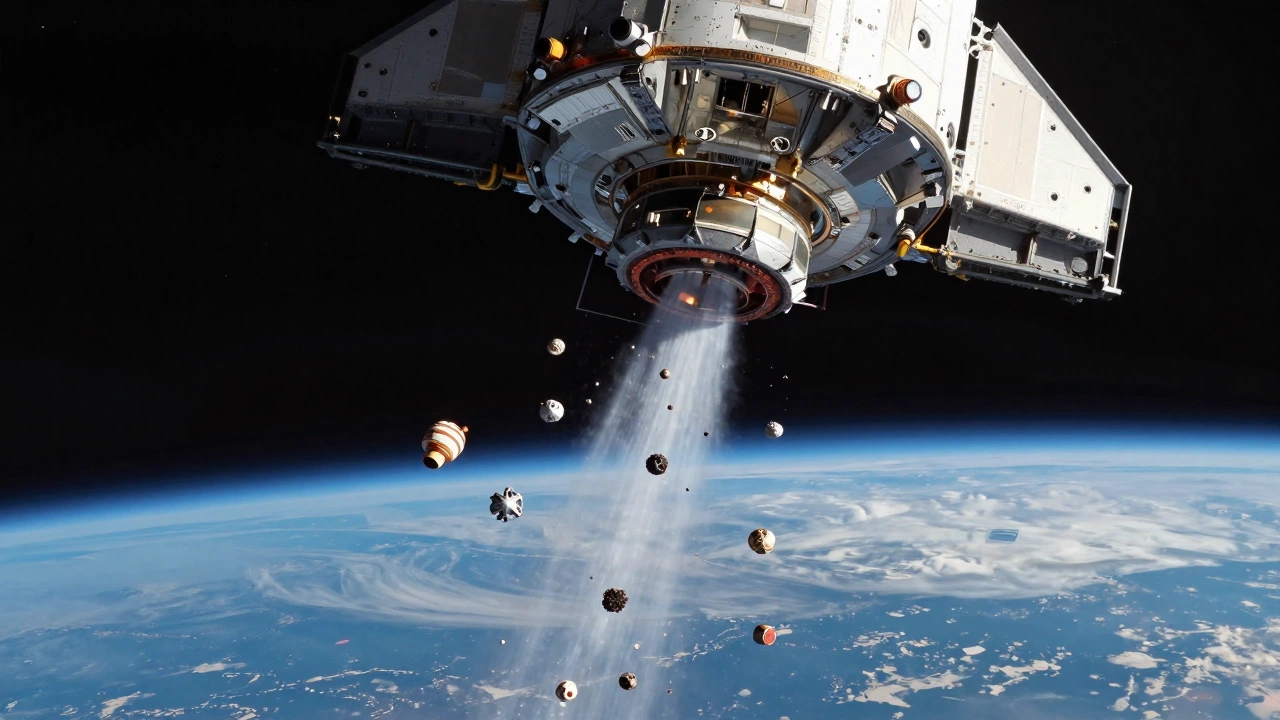
Between 18 and 25 minutes into flight Starship opened its slot-shaped payload bay door. It released all eight Starlink mass simulators marking the first successful payload deployment on any Starship flight. This step proved the door mechanism and deployment sequence work in space conditions.
In-Space Raptor Engine Relight
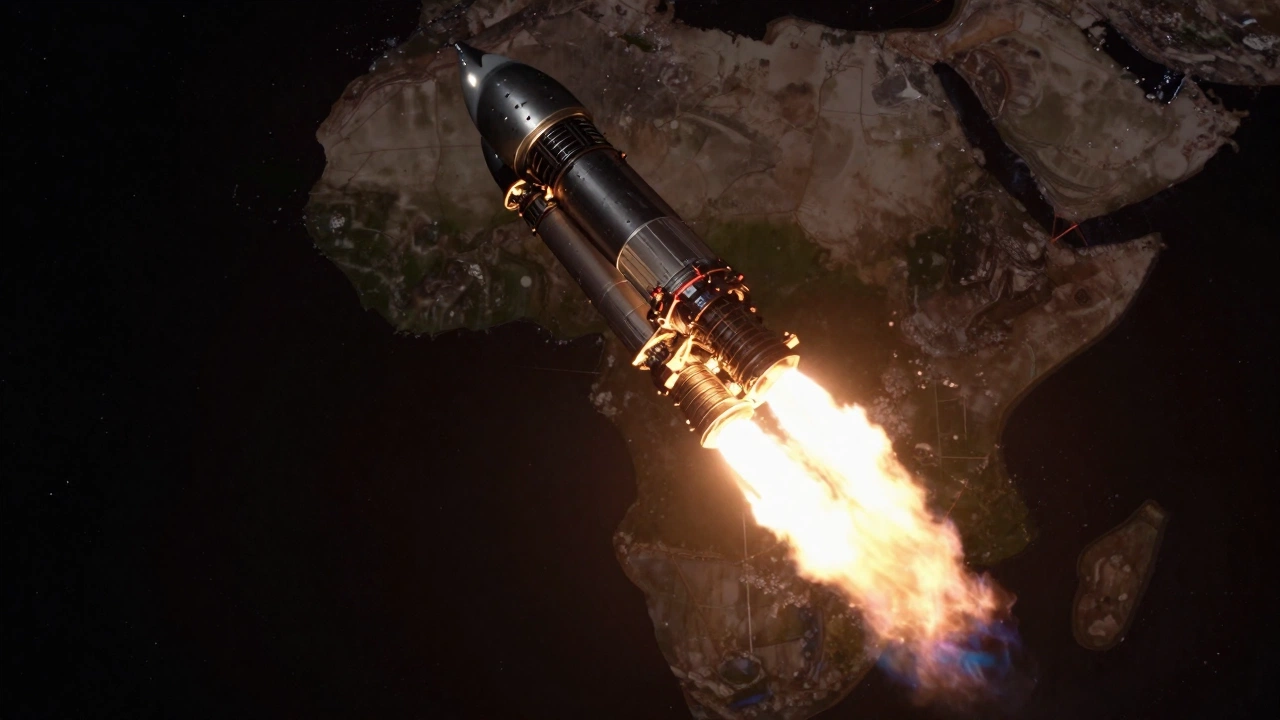
At 37 minutes 48 seconds one Raptor fired for several seconds over Africa. This second in-space relight demonstration on a Starship flight showed the engines can restart after coasting. The burn adjusted the trajectory and gave data for future higher-energy missions.
Reentry Survival Despite Intentional Stress
Reentry began near 47 minutes. Some heat shield tiles had been removed on purpose to gather extreme data. The vehicle endured plasma heating maintained flap control through transonic and subsonic phases and reached the target Indian Ocean zone. Onboard cameras captured damage but the ship stayed stable.

Major Successes That Stood Out
First Payload Release and Data Collection
Successful deployment of 16000 kg of simulators opened the door for operational Starlink launches from Starship. Teams collected extensive information on heat shield performance structural loads and engine behavior under stress. Every primary objective was completed providing a rich dataset for improvements.
Flap Control and Soft Splashdown
Four flaps guided the ship through peak heating and slowed it for the landing flip. A landing burn produced a controlled soft splashdown near 19 degrees south 107 degrees east at 66.5 minutes. The vehicle met its target zone exactly giving confidence in guidance accuracy.
- Reliable liftoff with full engine ignition
- Successful hot-staging and stage separation
- In-space engine restart demonstration
- Reentry survival with active flap control
- Both stages splashing down in planned areas
Restoring Momentum After Earlier Setbacks
This flight broke the streak of upper stage losses. You can sense the relief across the SpaceX team and the broader space community. The mission proved the iterative approach works when engineers study each anomaly and apply fixes quickly.

Issues Observed and Lessons Learned
Single Booster Raptor Shutdown
One of the 33 Raptors on the booster shut down prematurely during ascent. It did not relight for later burns. While the redundancy systems handled the loss engineers now have clear data to prevent similar events on future flights.
Aft Skirt Damage and Combustion Event
Reentry caused burn-through at the inner trailing edge of an aft flap. A possible combustion event in the engine compartment linked to blocked chill lines added to aft skirt damage. Some tiles and base material came off yet the ship kept control. These observations will drive better tile attachment and cooling designs.
Planned Explosions and No Tower Catch
Both vehicles exploded after tipping in the ocean as designed for early tests. No attempt was made to catch the booster on the tower. These choices kept the focus on collecting performance data rather than adding recovery risk.

What Flight 10 Means for Future Missions
Path to Flight 11 and Version 3 Vehicles
With data from this test SpaceX began preparing Flight 11 using Booster 15 and Ship 38. Hardware fixes informed by the single engine shutdown and reentry damage are already in work. Version 3 Starships could fly in 2026 with further refinements that raise reliability.
Steps Toward Full Reusability
Successful payload deployment and engine relight move Starship closer to operational use. Heat shield improvements will support rapid reuse. You see steady progress on the road to catching boosters and flying the same ships many times.
Support for NASA Artemis Goals
NASA officials including Lori Glaze monitored the flight closely. Starship serves as the Human Landing System for Artemis III. The reentry survival and relight data reassure partners that the vehicle can handle deep-space maneuvers and lunar returns. Gwynne Shotwell and Elon Musk continue to align schedules so Starship supports broader exploration plans.
This test flight gave you a clear view of how SpaceX learns from every launch. Small issues become stepping stones when examined carefully. The successes prove the design moves forward while the data from anomalies will shape stronger vehicles ahead. Keep watching the next tests because each one brings us closer to regular flights and eventual trips to Mars.