The Beginnings of Neuralink’s PRIME Study
How the N1 Device Connects Your Brain to Technology
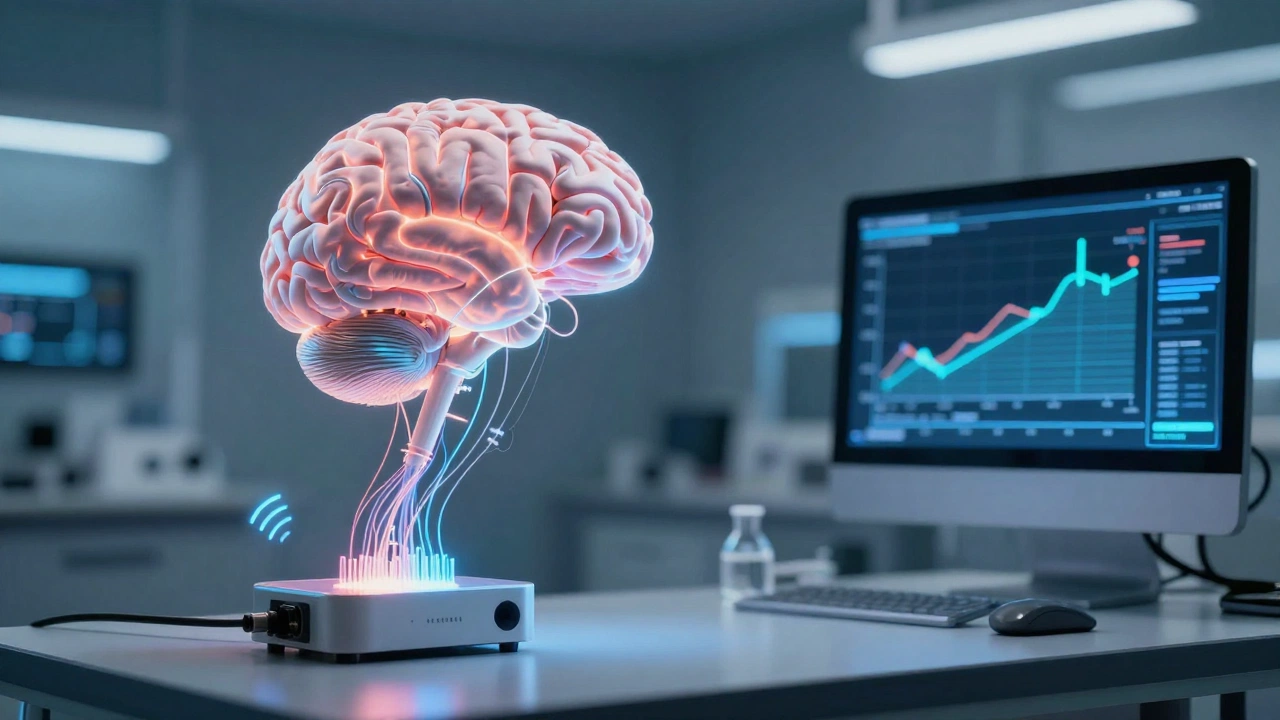
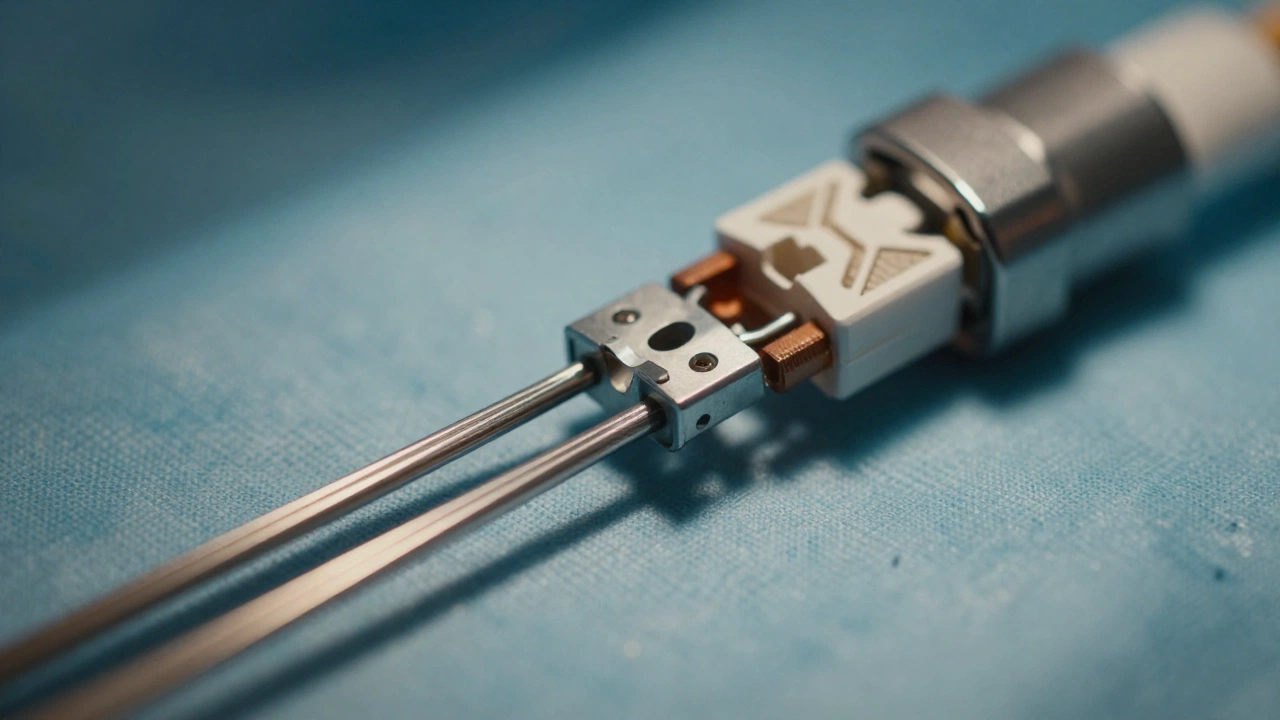
You have likely seen headlines about mind controlled devices. Neuralink makes this possible with its N1 implant. It uses 64 ultra-thin flexible threads with 1,024 electrodes in total. The robotic surgery places these into the motor cortex. This area controls hand and arm movements.
Signals get recorded and sent wirelessly. Software decodes your intended movements. Then you can control a cursor or other outputs. The whole system is fully implantable. It looks invisible and you recharge it like a phone. This setup aims to help restore abilities you might have lost to injury or illness.
As you consider the engineering, remember the threads are so fine they minimize damage. You gain direct access to brain signals without bulky external gear. The promise lies in turning thought into action seamlessly.
Understanding the Goals of the PRIME Study
The PRIME Study evaluates safety and usefulness for people with quadriplegia. Causes include spinal cord injury or ALS. You might have a loved one in this situation. The trial follows participants for about six years. It checks how the implant performs in real daily tasks over time.
Early feasibility means they start small to learn and improve. This careful process ensures the technology develops responsibly. You can feel confident knowing the focus stays on participant well-being first and foremost.
Preparing for Human Trials
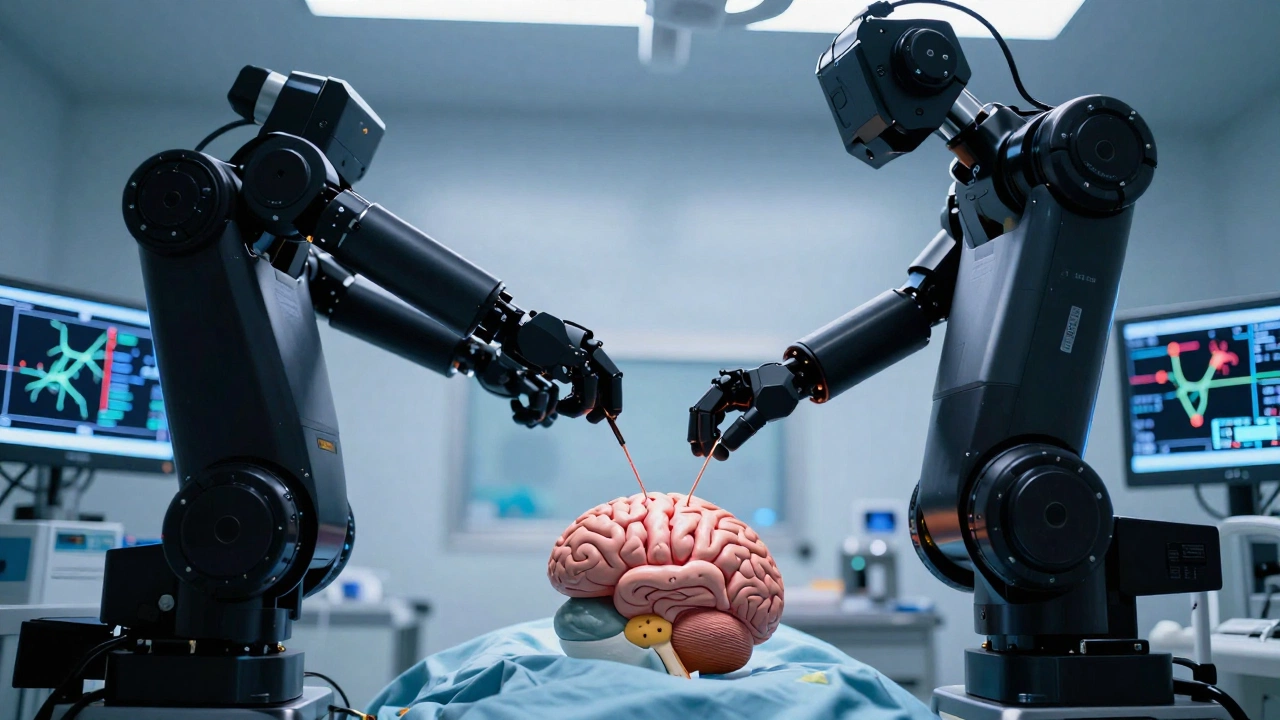
Before the first person, Neuralink tested extensively with animals. The company created a robot for precise thread insertion. This minimizes risks during surgery. When the time came everything was ready for that important moment in January 2024. The foundation for success was built on years of research and iteration.
You see dedication in every detail from thread design to wireless transmission. These elements combine to create something truly different from older brain interfaces that required cables or larger hardware.
Noland Arbaugh’s Story as the First Neuralnaut
Challenges He Faced Before the Implant
Noland Arbaugh from Arizona became the first to receive the implant. A 2016 swimming accident left him with tetraplegia. He relied on caregivers and a mouth stylus that tired him out. College was no longer an option. He searched for purpose and productivity in his days.
Assistive tech helped some but not enough. Voice controls had limits too. You can relate to wanting more freedom if everyday tasks feel exhausting. His decision to join the trial came from a desire to contribute and test something that could help many others like him in the future.
The Implant Procedure and Quick Recovery
Surgery happened in late January 2024 at Barrow Neurological Institute in Phoenix. It lasted under two hours using the robot. Arbaugh left the hospital the following day. Recovery went smoothly without any cognitive impacts. Neural signals appeared soon after the operation.
This fast turnaround surprised many experts. It showed the procedure’s minimally invasive nature. You would appreciate going home so quickly after brain surgery instead of weeks of recovery. The team monitored him closely in those first days to ensure stability.
Record Breaking Performance in the Beginning
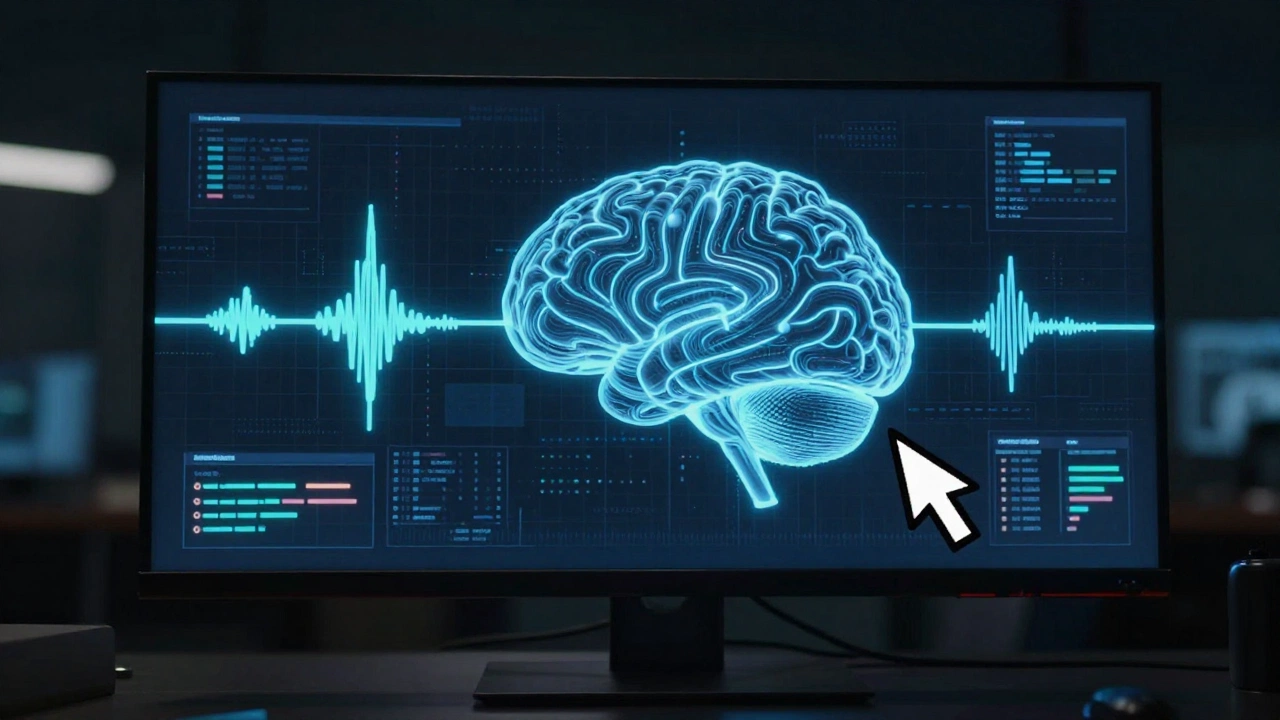
On the very first day using the system he beat the previous world record for BCI cursor control. He used imagined hand movements to guide the mouse. Soon he played online chess and strategy games like Civilization VI. A livestream on March 20 2024 let everyone see him browsing texting and playing Mario Kart.
It blew his mind how natural it felt right away. You might think about how fast adaptation happened for someone who had limited options before. This early success built excitement around the potential for brain computer interfaces to restore real independence.
Overcoming the Thread Retraction Setback
Understanding the Issue That Arose
Roughly one month after surgery about 85 percent of the threads retracted. Only 15 percent stayed functional at that point. Performance decreased as a result. This change brought temporary frustration and worry for Arbaugh. He even feared the device might need removal at first.
Such technical hurdles appear often in new medical technology. But they test the team’s ability to respond under pressure. You see here how important real world data is for fixing problems quickly before they affect others.
The situation created an emotional moment for the first patient. Yet it also highlighted human resilience when combined with clever engineering solutions.
Using Software to Restore Functionality
Neuralink responded with algorithm improvements instead of another surgery. These updates compensated for the lost threads effectively. Performance came back stronger than before. Signals stabilized around July 2024. The whole episode provided valuable information to enhance thread retention in following implants.
This adaptive approach highlights the power of digital fixes in BCI systems. You don’t always need hardware changes when software can evolve rapidly. It kept the trial moving forward without major interruption or setbacks for the participant.
Improvements Made for Subsequent Participants
Later patients benefited directly from what happened with the first case. The team refined surgical techniques to ensure more threads remained in place longer. These changes shaped future procedures positively. You can see the commitment to learning and advancing the field step by step based on actual results from early use.
Each adjustment reduces risks and boosts reliability. The first patient’s experience became a foundation for safer more effective implants down the line. This iterative method defines responsible innovation in neurotechnology.
Transformed Life One Year After the Implant
Gaining Independence in Daily Activities
One year later Arbaugh reported no negative physical or psychological side effects. He used the implant for approximately eight to ten hours daily by mid 2025. This allowed him to study read play games and boost his productivity without constant help. The Link let him reconnect with the world on his own terms.
You can imagine the joy of handling tasks yourself again after years of dependence. His days filled with activity. He felt he had potential once more after a long period of limited options. Simple things like texting or web browsing became effortless.
Pursuing Education and New Ventures
By the 18 month point Arbaugh described his life as completely transformed. He enrolled in community college prerequisites for a neuroscience degree. That semester brought his best grades ever. He also launched a speaking and business venture while learning languages and math interactively.
Feeling busy all the time he played catch up for lost years. The sense of purpose returned fully through these pursuits. You might find inspiration in how this technology helped him rebuild his path forward with renewed energy and focus on meaningful goals.
His story shows the deeper value beyond cursor control. Education and personal growth became realistic again. The implant created space for ambition that felt out of reach before.
Arbaugh Shares His Personal Perspective
He expressed deep gratitude in interviews saying the Link helped him reconnect without needing family at all hours. No regrets about being first even if risks had materialized. He called it a shift from dependency to real productivity and felt happy to be back in school.
His words capture the human side of the trial. You hear real emotion and optimism that goes beyond technical specs. This personal testimony adds weight to the trial outcomes and encourages others facing similar challenges to consider new possibilities.
At 21 months optimism remained high despite a temporary pressure sore. He even nicknamed the implant Eve showing how closely he bonded with the technology that gave him back control.
The PRIME Study Expands With More Participants
From One to Many Neuralnauts Worldwide
The trial scaled quickly after the start. By early 2026 the number grew to 21 people implanted across multiple countries. Sites opened in Canada Great Britain and additional locations with several procedures per month during 2025. This growth accelerates data collection for better insights.
You watch the momentum build as more individuals known as Neuralnauts join. Each person adds unique experiences that refine the system further. International collaboration speeds up learning about different anatomies and conditions.
Strong Safety Profile Across the Trial
Safety stands out as a key result with zero serious device related adverse events in any participant. This clean record supports continued expansion without major complications reported. Performance varies based on individual anatomy and specific condition like stage of ALS.
You can trust the process more when data shows minimal risks so far. The focus remains on long term follow up as the six year study continues its careful monitoring of all involved.
Improvements in signal quality for most later participants demonstrate clear progress. These outcomes validate the adjustments made after the initial case.
Varied Real World Achievements by Users
Many reach information transfer rates of eight to ten bits per second matching typical mouse control. Typing with a mind controlled ten finger keyboard hits up to 40 words per minute. Daily sessions sometimes last 15 to 17 hours for dedicated users.
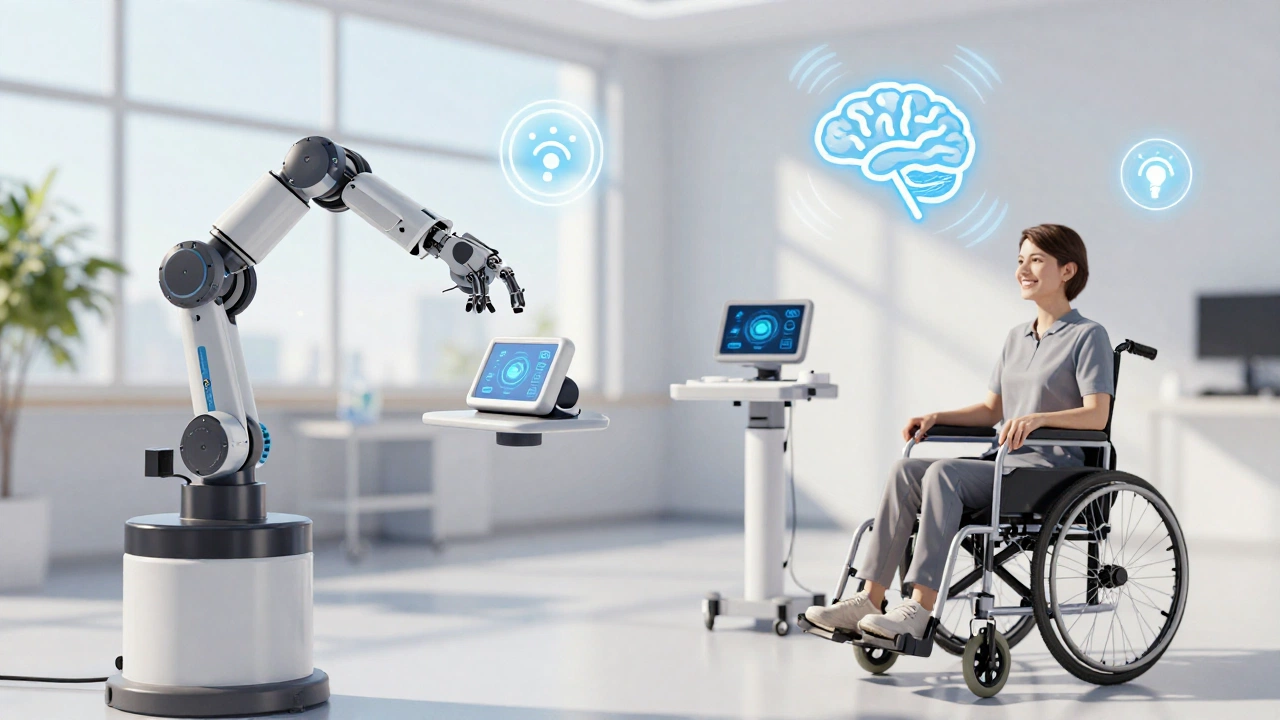
Applications span widely from 3D design and coding to smartphone operation. ALS patients gain better communication and environmental control for outdoor activities or events. One controls a robotic arm to feed himself or scratch an itch using thoughts that feel completely natural.
Creative tasks like making abstract art or hardware design become accessible again. You see participants return to work study and hobbies with fresh enthusiasm. These examples illustrate the broad utility beyond basic cursor movement.
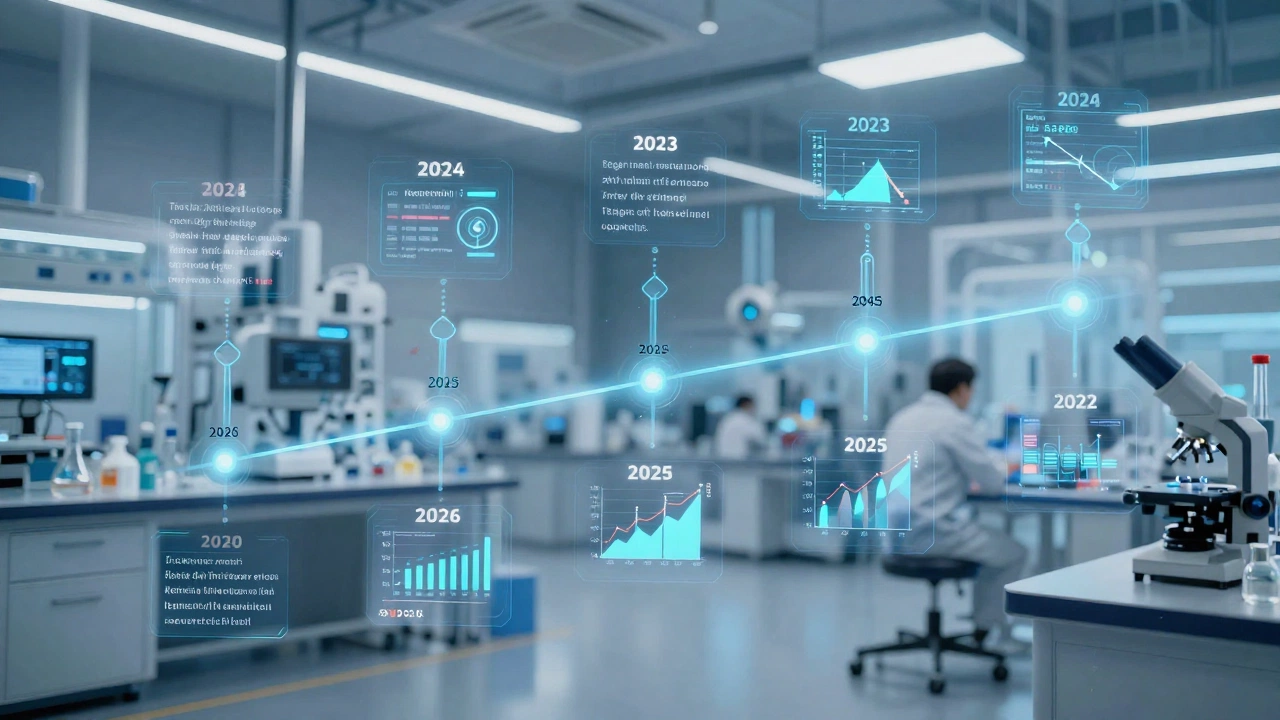
| Update Period | Participants | Combined Implant Days | Average Daily Use |
|---|---|---|---|
| February 2025 | 3 | Over 670 | 6.5+ hours |
| January 2026 | 21 | Thousands | Up to 17 hours |
What the Future Holds for Neuralink and BCIs
New Trials Targeting Additional Conditions
Building on PRIME success new studies are launching. The VOICE trial targets speech restoration for ALS and stroke patients aiming for conversational speeds by decoding intended speech. CONVOY will test control of robotic assistive devices while Blindsight could one day restore visual perception.
These efforts expand beyond paralysis treatment. You see the potential opening for many different needs in medicine. Each study adds layers to what thought based interfaces can achieve for quality of life improvements.
The data repository collects multimodal information to guide these next steps efficiently. You benefit indirectly as findings inform faster development across the board.
Advancing the Hardware and Surgical Methods
Plans include increasing electrode counts toward 3,000 in coming versions. Fully automated surgery could roll out in 2026 for higher volume production. Less invasive insertion through the dura is under exploration along with real time adaptation during operations to match individual brain variations better.
Such upgrades promise even stronger performance and reliability. You might envision a time when the process becomes routine like other medical procedures. The company raised a 650 million dollar funding round to support these ambitious goals.
Explorations into less invasive techniques could reduce recovery time even further. Every change builds on lessons from the first year of human use.
Global Growth and Broader Impacts
International expansion includes the UK with patients at a leading neurology hospital by late 2025. Patient registries encourage more sign ups from around the world. While medical restoration is the current emphasis long term visions involve AI symbiosis and integration with robots.
Approximately 80 people globally had received some type of brain computer interface by 2025. Neuralink leads in several areas but faces competition from other firms developing similar solutions. The first patient’s positive experience after one year and into the second sets a hopeful tone for the entire field.
As you follow these updates consider your own perspective on merging human minds with machines. The results so far suggest meaningful progress toward greater autonomy for those who need it most. Ongoing refinements will likely bring even more capabilities in education creativity and everyday living.
The journey from that first surgery to dozens of participants shows rapid evolution. You witness a technology moving from experimental to practical in a short span. This pace keeps the conversation alive about ethical responsible advancement in neurotechnology for years ahead.