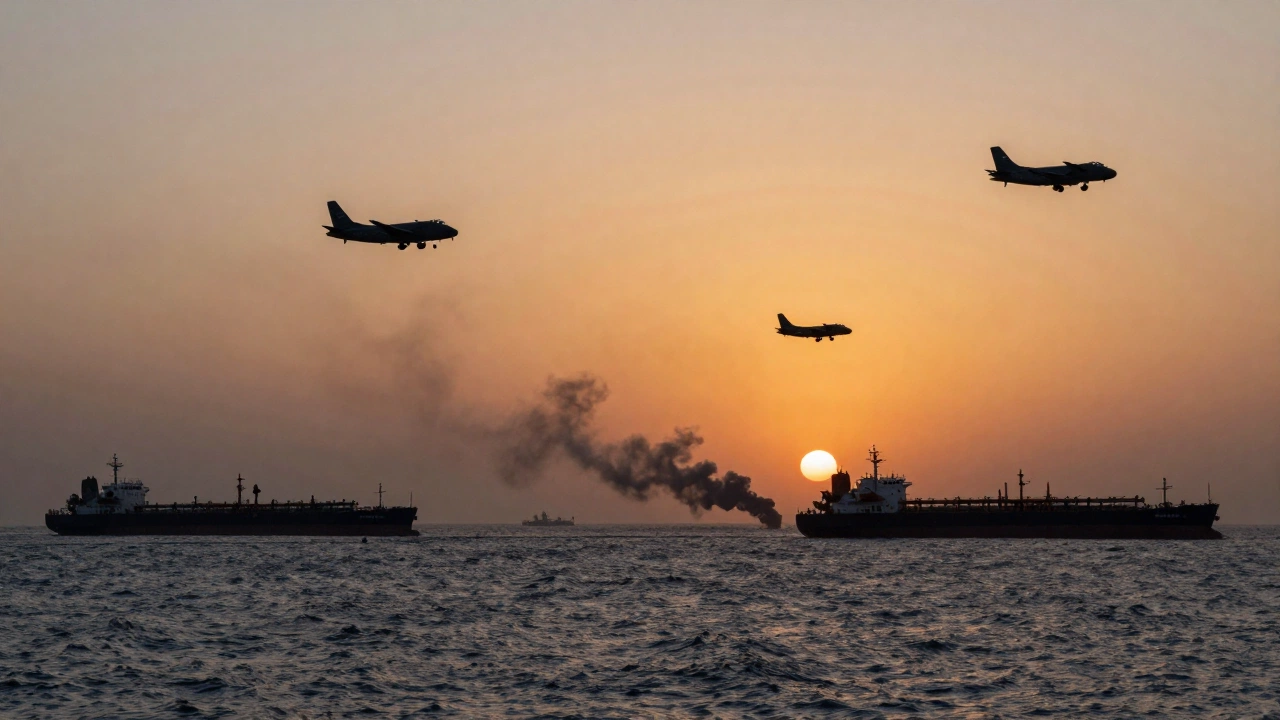
Today’s world news is dominated by a sharp escalation in the US-Iran conflict that has stretched into its fifth week. Iranian forces downed a US fighter jet over their territory on April 3, with one crew member rescued while searches continue for the second airman. This incident, combined with damage to another American combat plane in the Persian Gulf, has raised serious questions about air operations in the region. President Trump has signaled that more actions are coming, including potential strikes on infrastructure like bridges, with no clear timeline for winding down the engagement.
US-Iran Conflict Takes a Dangerous Turn
Iranian defenses also struck at US helicopters and an A-10 involved in rescue efforts, though all personnel from those incidents returned safely. These events have undermined recent claims of dominance in the airspace and complicated public messaging from the administration. Iran has outright rejected a proposed 48-hour ceasefire and appears focused on repairing missile sites while maintaining its position. The situation carries real risks of drawing in other players and straining alliances across the globe.
But the conflict’s reach extends well beyond the immediate battlefield. Israel conducted airstrikes on targets in Beirut and other parts of Lebanon as tensions ripple outward. Iranian officials have threatened Gulf refineries and begun recruiting younger individuals for support roles. A prominent human rights lawyer also found herself detained in Tehran amid the unrest, highlighting the internal pressures building within the country.
How the Strait of Hormuz Crisis Affects Global Energy
The effective closure of the Strait of Hormuz has disrupted oil shipments in a major way, particularly hitting Iraq where petroleum exports account for roughly 90 percent of the national budget. Fields near Basra like Zubair have seen operations slow considerably. As a direct result, global oil prices have climbed above $110 per barrel, with analysts warning of possible jumps toward $150 if the bottleneck persists much longer. This energy shock is already affecting fuel costs worldwide, from airline fees to petrol availability in parts of Asia and Australia.
France and South Korea have agreed to work together on addressing the Hormuz situation while the UK has gathered more than 40 nations to push for reopening the waterway. China has engaged in its own diplomatic moves behind the scenes. These coordinated responses show how quickly a regional clash can reshape economic realities far from the Middle East. Bahrain has responded to related domestic tensions with a crackdown on dissent, adding another layer of complexity.
Ukraine Faces Renewed Attacks During Holy Week
Meanwhile Russia launched extensive drone and missile strikes on the Kyiv region and other Ukrainian areas, resulting in at least five civilian deaths with some reports citing up to eight. Ukrainian President Zelensky criticized the timing as an Easter escalation and expressed hope for a truce along with a prisoner exchange during the holiday period. Russian claims of full control over the Luhansk region continue to be disputed by Kyiv, keeping the long-running conflict in a state of bitter deadlock.
The intersection of religious observances with active fighting has added poignancy to both the Middle East and Eastern European stories. Pope Leo XIV marked his first Good Friday as pontiff by carrying a wooden cross through all 14 stations at the Colosseum in Rome. He offered prayers for war orphans and deported children while cautioning leaders that their choices would face divine judgment, touching on the misuse of faith in conflicts.
Other Significant Events Shaping the World Today
A magnitude 5.9 earthquake struck Afghanistan’s Hindu Kush region, claiming at least eight lives including victims of a house collapse in Kabul. Separate seismic activity around magnitude 7.4 hit Indonesia, where one person died and buildings sustained damage. In Africa, paramilitary forces in Sudan attacked a hospital with a drone killing at least 10, while machete violence in Uganda claimed four children at a nursery. Islamic State-linked groups in eastern Congo killed at least 43 in recent actions.
Cuba has begun releasing 2,010 prisoners during Holy Week under significant US pressure amid its ongoing energy crisis and blackouts. Celebrations broke out in Havana though advocates continue pressing for the release of political protesters and more openness from authorities. An FBI team has also arrived in the country to probe the February shooting of a US-flagged speedboat that left five men dead. These developments remind us that even as major conflicts grab headlines, quieter humanitarian and diplomatic stories continue to unfold across continents.