Iran Downs U.S. Fighter Jets as Conflict Intensifies
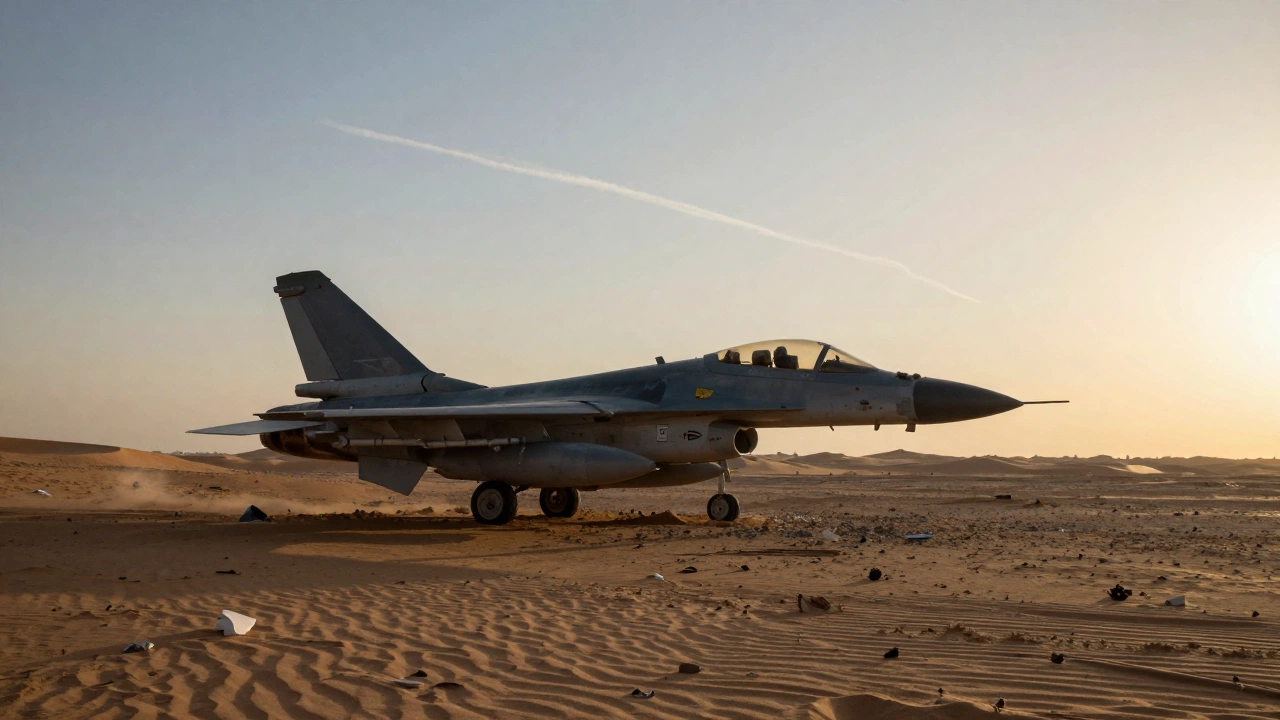
April 4, 2026, marks one of the most significant escalations in the ongoing conflict between the U.S., Israel, and Iran. After roughly five to six weeks of active combat, Iran shot down at least one U.S. F-15E Strike Eagle over Kohgiluyeh and Boyer-Ahmad province, with reports suggesting a second American warplane was also lost in the Gulf region. Search-and-rescue operations are underway for at least one missing crew member, while Iranian authorities have reportedly offered a reward for the airman’s capture. During those rescue efforts, Iranian forces struck two U.S. military helicopters and an A-10 Thunderbolt near the Strait of Hormuz. Two MQ-9 Reaper drones were also downed. Tehran held public celebrations over the shootdowns, calling them proof of Iran’s continued fighting capability despite weeks of sustained U.S. and Israeli airstrikes.
Strikes Hit Tehran Infrastructure and Nuclear Sites
A fresh wave of U.S.-Israeli strikes on April 4 targeted locations across Tehran, damaging residential neighborhoods, a church, and a former U.S. embassy site that now operates as a museum. At least three civilians were killed in one incident alone. A particularly devastating strike hit the B1 suspension bridge connecting Tehran and Karaj, killing eight people and injuring nearly 100. Petrochemical complexes in Khuzestan — including Bandar Imam and Fajr facilities — were also hit. The Bushehr nuclear facility sustained non-radiological damage to a side building, with one security staff member killed. In Isfahan, a Red Crescent worker died in a separate strike. The Pasteur Institute, a major medical research facility, was among the targets as well. These attacks underscore the expanding scope of the air campaign, which has moved well beyond military-only targets into civilian infrastructure and scientific institutions.
Regional Spillover: Lebanon, Kuwait, Qatar, and Beyond
This isn’t contained to Iranian soil. Israel conducted strikes on Hezbollah targets in Lebanon, destroying two bridges in the south and hitting infrastructure in Beirut and Tyre, where 11 people were injured — three of them medical workers. Hezbollah commander Youssef Hashem was killed in related operations. Hezbollah retaliated with rocket barrages on Kiryat Shmona and northern Israel. Iran’s counterattacks reached even further. A missile barrage injured ten Israeli civilians, leaving one girl in critical condition. Strikes hit Kuwait’s fuel storage facilities, causing a major fire. A Qatari oil tanker took a direct missile hit. The UAE reported a fatal shrapnel incident. Bahrain and an Iraqi PMF headquarters were also targeted. The conflict has effectively become a multi-front regional war with no clear boundaries.
Oil Prices Surge Past $113 as Global Economy Feels the Strain
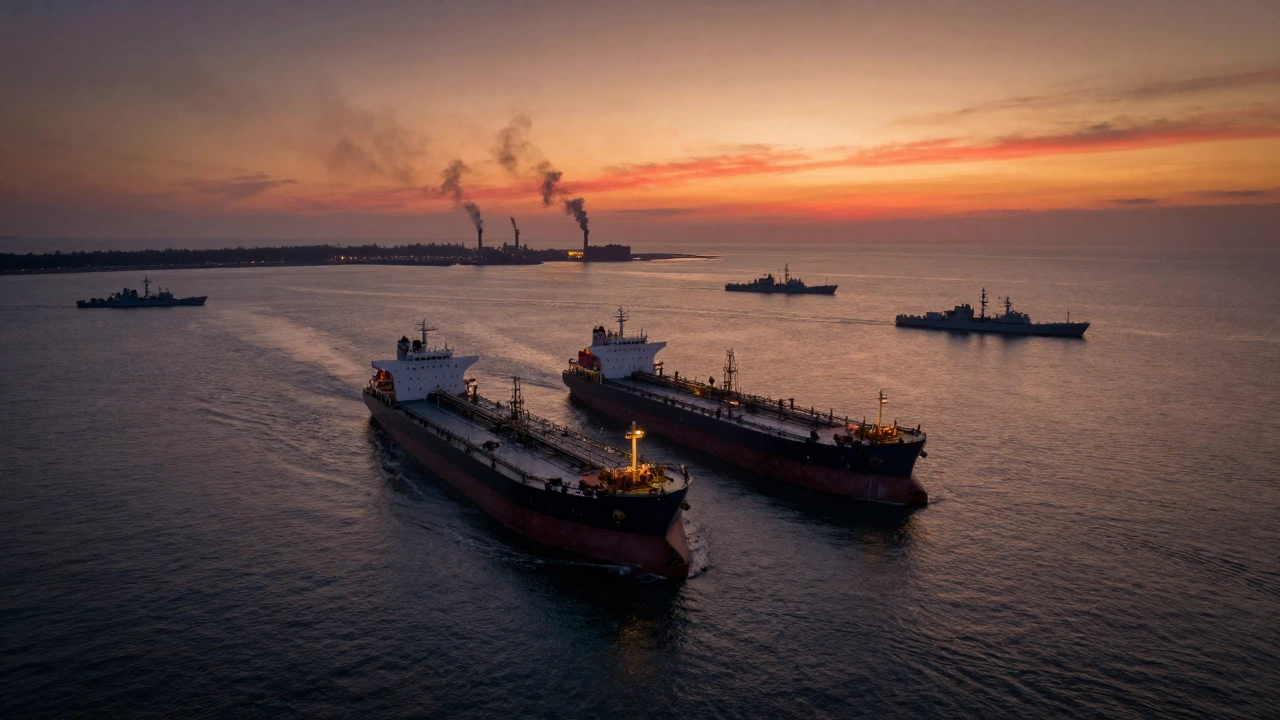
The economic fallout is staggering. U.S. crude oil prices have climbed above $113 per barrel, driven by attacks on shipping routes and energy infrastructure. The Strait of Hormuz — through which roughly 20% of the world’s oil passes — has seen traffic nearly halt at times, though a few vessels including a Maltese-flagged ship and a Japanese LNG tanker have managed to transit. Countries are scrambling to adapt. Pakistan has imposed sharp fuel price hikes. Malaysia, Taiwan, and China have adjusted fuel surcharges and subsidies to cushion the blow. The U.S. has requested a record $1.5 trillion defense budget to sustain operations. President Trump has warned Iran of further attacks, previously threatening to bomb the country “back to the stone ages,” but hasn’t offered a firm timeline for ending hostilities. Iran’s internet blackout — now over a month long — continues to isolate its population while universities have shifted entirely to virtual learning. Diplomatic channels remain open but fragile, with talks involving China and a UK-hosted summit on Hormuz security among the few signs of potential off-ramps.